Green Campus Hackathon
A 24-hour sustainability hackathon challenging student teams to design actionable solutions for reducing the campus's environmental footprint.
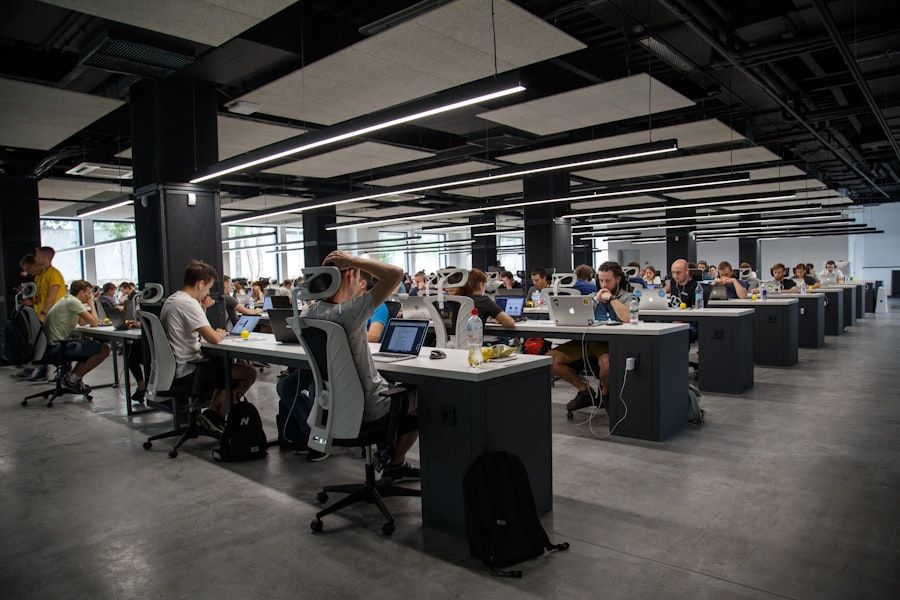
The Green Campus Hackathon brought together student teams from across disciplines for a 24-hour sprint — not to build apps or pitch businesses, but to design practical, implementable solutions to the campus's most pressing sustainability challenges.
The brief was deliberately grounded. Teams were given data: energy consumption figures, water usage records, food waste measurements, and waste segregation statistics from the previous academic year. Their task was to identify the highest-impact problem and propose a solution that could realistically be implemented by the institution within twelve months.
Fourteen teams registered. The range of problems they tackled was striking — from solar panel optimisation and rainwater harvesting to composting systems, campus transportation redesign, and a digital platform for tracking and reducing canteen food waste.
Mentors — including a sustainability consultant, an environmental engineer, and a faculty member with expertise in circular economy — circulated through working sessions, offering technical feedback and pushing teams to stress-test their assumptions.
By the 18-hour mark, the energy in the room had shifted from frantic to focused. Teams had moved from ideation to design, and the presentations taking shape were noticeably more specific and feasible than what had been sketched in the opening hours.
The final presentations were evaluated on four criteria: environmental impact, feasibility, cost-effectiveness, and student-led implementation potential. Two proposals — a greywater recycling system for the campus gardens and a structured food-waste composting programme integrated with the farm — were selected for further development with institutional support.
The hackathon was a reminder that sustainability problems do not require distant solutions. The answers, often, are already visible in the environment around us — waiting for someone to look carefully enough and care enough to act.
Gallery
Event Photos
Click any photo to view it full size.